
by | Oct 13, 2026 | Uncategorized
An audit rarely fails because a laboratory cannot produce one document. It fails because the documents do not connect. When determining which peptide documents support audits, the standard is traceability: can an auditor follow a material from supplier qualification...

by | Oct 11, 2026 | Uncategorized
A peptide can meet a stated purity threshold and still introduce a meaningful variable into a study. A different impurity profile, counterion level, water content, or handling history may affect how material performs in an analytical method or controlled laboratory...
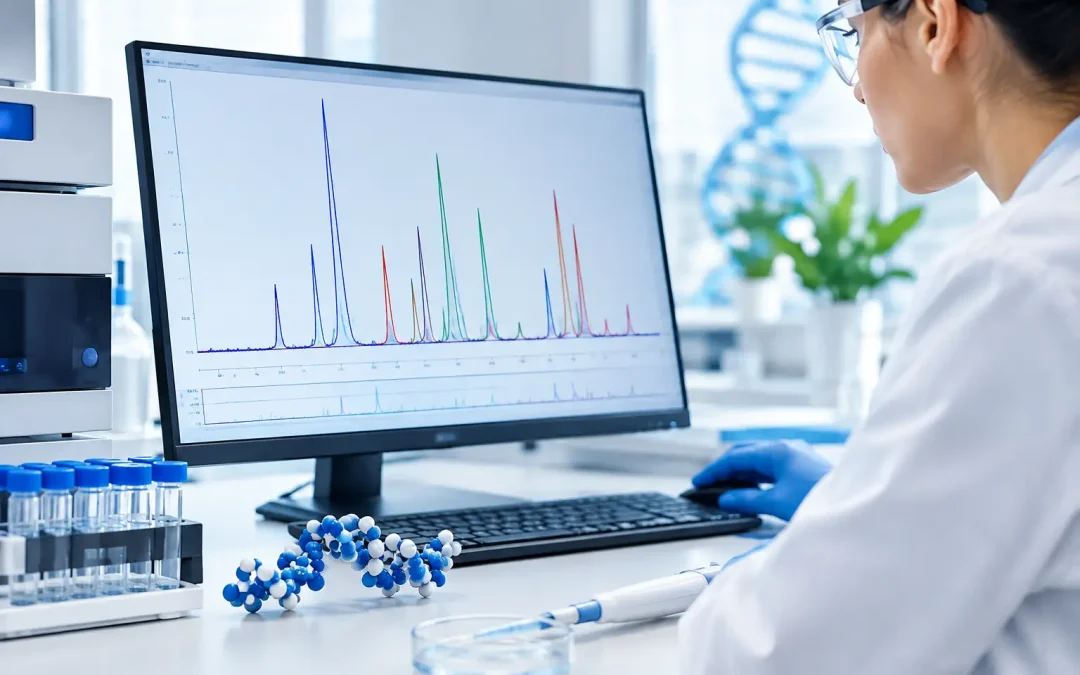
by | Oct 9, 2026 | Uncategorized
A chromatogram is not a purity percentage rendered as a picture. It is the output of a specific analytical method, using defined chemistry, detection settings, integration rules, and sample preparation. Knowing how to interpret peptide chromatograms means reading that...
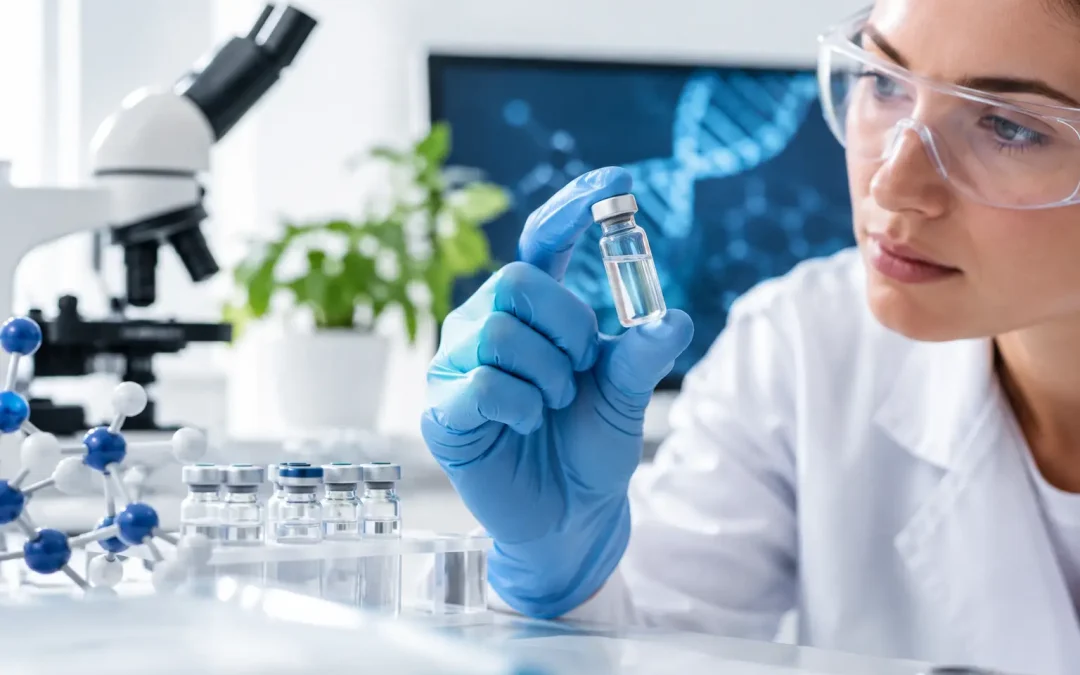
by | Oct 7, 2026 | Uncategorized
A peptide vial labeled 99% purity can appear straightforward, but what does 99% purity mean in an analytical setting? It means the tested material was measured as approximately 99% of the target compound under a specified method. It does not, by itself, establish...

by | Oct 5, 2026 | Uncategorized
A peptide can meet a high purity specification and still introduce a material risk to a sensitive assay. Peptide endotoxin limits address that gap. They define the acceptable burden of bacterial endotoxins in a material and help researchers assess whether a batch is...

by | Oct 3, 2026 | Uncategorized
A vial label and a reported purity percentage are not a complete quality case. Peptide material provenance is the documented chain that connects a research compound to its raw inputs, synthesis history, analytical testing, release decision, and final lot...

